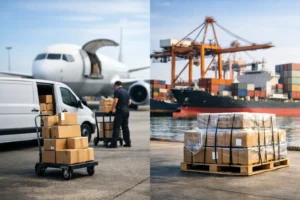
A production line waiting on a replacement component cannot afford a slow transit. Conversely, sending several pallets of non-urgent stock by air can place unnecessary pressure on a procurement budget. The decision between air cargo vs ocean cargo is not simply about choosing the fastest or cheapest option. It is about matching the transport method to the commercial priorities of each shipment.
For businesses shipping from Malaysia, the right choice affects delivery commitments, inventory availability, landed cost, and customer confidence. Air freight and sea freight both serve essential roles. The stronger option depends on what you are shipping, where it is going, how soon it is needed, and how much flexibility your business has in its budget and schedule.
Air Cargo vs Ocean Cargo: The Core Difference
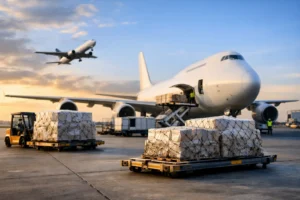
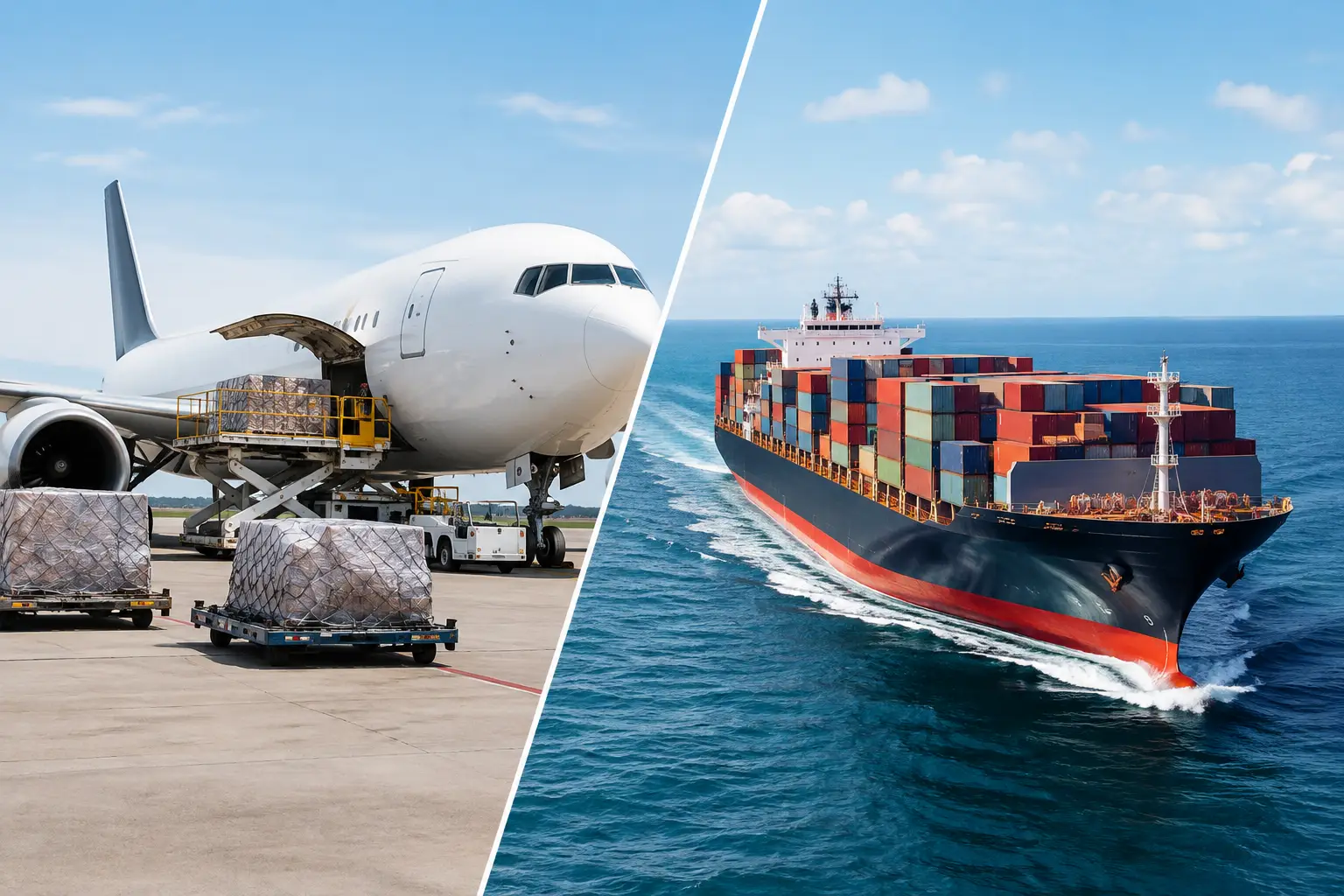
Air cargo moves goods through airport networks and is designed for speed. It is typically the preferred option when a shipment is urgent, high-value, time-sensitive, or relatively compact. Transit times can range from a few days to around a week depending on the destination, airline capacity, customs clearance, and final delivery arrangements.
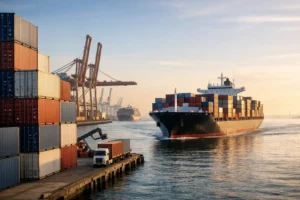
Ocean cargo moves goods by container vessel and is built for volume and cost efficiency. It generally requires more time, particularly when compared with direct air freight services, but it can transport much larger shipments at a lower cost per unit. For planned replenishment, bulk imports, machinery, and regular commercial cargo, sea freight is often the more economical choice.
The question is not whether air or ocean is universally better. A business shipping urgent samples to a buyer and a manufacturer importing raw materials are solving different problems. Their freight decisions should reflect that reality.
When Air Cargo Is the Better Business Choice
Air freight is justified when time has a measurable commercial value. That may mean preventing a stockout, meeting a contractual delivery date, supporting a product launch, or keeping an important customer order on track.
Urgent shipments and short lead times
Air cargo is often the most practical option for goods that cannot wait for vessel schedules and port transit. This includes replacement parts, production-critical components, urgent purchase orders, product samples, documents, and e-commerce orders with firm delivery expectations.
For SMEs, speed can also create an advantage when testing a new overseas market. Sending a controlled quantity by air allows a business to respond quickly to demand without committing immediately to a full container shipment.
High-value, lower-volume cargo
Freight charges should be assessed alongside the value of the cargo and the cost of delay. A small shipment of electronics, medical equipment, premium consumer goods, or specialized components may be more suitable for air transport because the shipment value supports the higher freight cost.
Air cargo is also useful when inventory carrying costs are a concern. Receiving stock sooner can reduce the need to hold large quantities of goods months in advance. This does not make air freight inexpensive, but it can make the total business decision more reasonable.
Greater schedule responsiveness
Airline departures are generally more frequent than vessel sailings on many trade lanes. That gives businesses more flexibility when orders are confirmed late or when supplier production runs behind schedule. However, available flight capacity, cargo cut-off times, security checks, and customs requirements still matter. Fast transportation does not remove the need for accurate paperwork and early coordination.
When Ocean Cargo Delivers Better Value
Sea freight is usually the preferred option when shipment volume is substantial and timing can be planned in advance. It is a practical choice for importers, exporters, distributors, and manufacturers moving goods consistently between Malaysia and international markets.
Larger shipments and heavier cargo
Ocean cargo is designed to handle freight that would be costly or impractical to move by air. This may include palletized goods, industrial equipment, furniture, building materials, retail inventory, and large quantities of packaged products.
Businesses can use a full container load when their cargo fills or largely fills a container, or a less-than-container load service when they need to share container space with other shipments. The right option depends on cargo volume, handling needs, and delivery timing.
Lower transportation cost per unit
For bulk cargo, ocean freight generally offers a lower cost per kilogram or cubic meter than air freight. This can protect margins for businesses dealing with price-sensitive products or regular high-volume orders.
The savings are particularly meaningful when shipping is built into a repeatable purchasing cycle. If suppliers, warehouses, and customers can work with longer lead times, sea freight allows a business to move substantial quantities without paying a premium for speed.
Suitable for planned inventory movement
Ocean cargo works best when purchasing and inventory planning are disciplined. Rather than waiting until stock is nearly depleted, businesses need to account for supplier readiness, container booking, port handling, sailing schedules, customs clearance, and local delivery.
This planning requirement is a trade-off, not a weakness. For businesses with predictable demand, it can produce more stable freight spending and a more efficient replenishment rhythm.
Cost Is More Than the Freight Quote
A lower freight quote does not always mean a lower total shipping cost. When comparing air cargo vs ocean cargo, commercial teams should consider the full impact of the delivery method.
Air freight can cost more upfront, but a fast arrival may avoid lost sales, line stoppages, late-delivery penalties, or expensive emergency sourcing. Ocean freight can reduce transport costs significantly, but delays may require higher safety stock or earlier purchasing commitments.
Cargo dimensions also matter. Air freight is often calculated using chargeable weight, which compares actual weight with volumetric weight. Light but bulky cartons can therefore be more expensive to send by air than their scale weight suggests. Sea freight is commonly assessed by container use or cargo volume, making it more favorable for bulky shipments.
Businesses should also account for pickup, export handling, documentation, customs processes, destination charges, insurance, and final-mile delivery. A clear freight quotation should help decision-makers understand what is included and where additional charges may apply.
Reliability Depends on Planning and Freight Coordination
Both air and ocean freight can be dependable when the shipment is properly prepared and managed. Reliability does not come only from the mode of transport. It comes from booking at the right time, preparing accurate commercial documents, using suitable packaging, and having clear visibility from pickup through delivery.
For air cargo, key risks include capacity limitations, airline schedule changes, cargo screening requirements, and restrictions on regulated goods. For ocean cargo, businesses should allow for port congestion, rolling schedules, transshipment connections, weather disruption, and longer customs or terminal processes.
The practical response is to build realistic lead times rather than planning around best-case transit estimates. If a shipment must arrive by a fixed date, allow time for collection, export clearance, transport, import procedures, and delivery to the consignee. A freight partner should help identify these requirements before cargo is collected, not after it has reached the airport or port.
A Practical Decision Framework for Malaysian Businesses
Start with the delivery deadline. If missing it would disrupt production, damage a customer relationship, or create a costly stockout, air freight may be the right investment. If the shipment can move on a planned schedule, sea freight will often offer stronger value.
Next, assess the shipment itself. Compact, urgent, high-value goods generally suit air transport. Heavy, oversized, low-margin, or high-volume cargo generally suits sea transport. Then consider the frequency of movement. A one-off urgent order may need air freight, while recurring replenishment should usually be structured around ocean schedules.
Many businesses benefit from using both modes rather than treating the choice as permanent. A company may ship initial launch stock by air, then move regular replenishment by sea. A manufacturer may use ocean freight for standard materials while keeping air freight available for critical spare parts. This approach balances cost control with operational protection.
For businesses in Kuala Lumpur and Selangor managing international imports or exports, Cargovia can coordinate air cargo and sea freight options around the urgency, cargo profile, and delivery requirements of each shipment. The objective is not to force every consignment into one service, but to move it through the method that supports the business outcome.
The most useful freight decision is made before the goods are ready to move. Share the cargo details, destination, required arrival date, and commercial priority early, then choose the transport mode that keeps your operation prepared rather than reacting to the next delay.