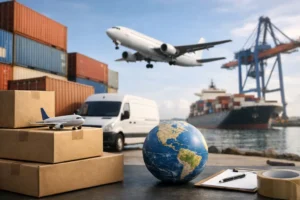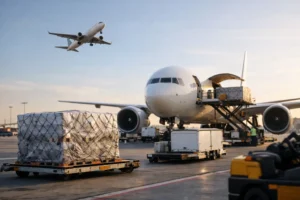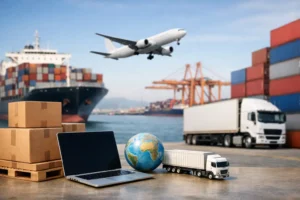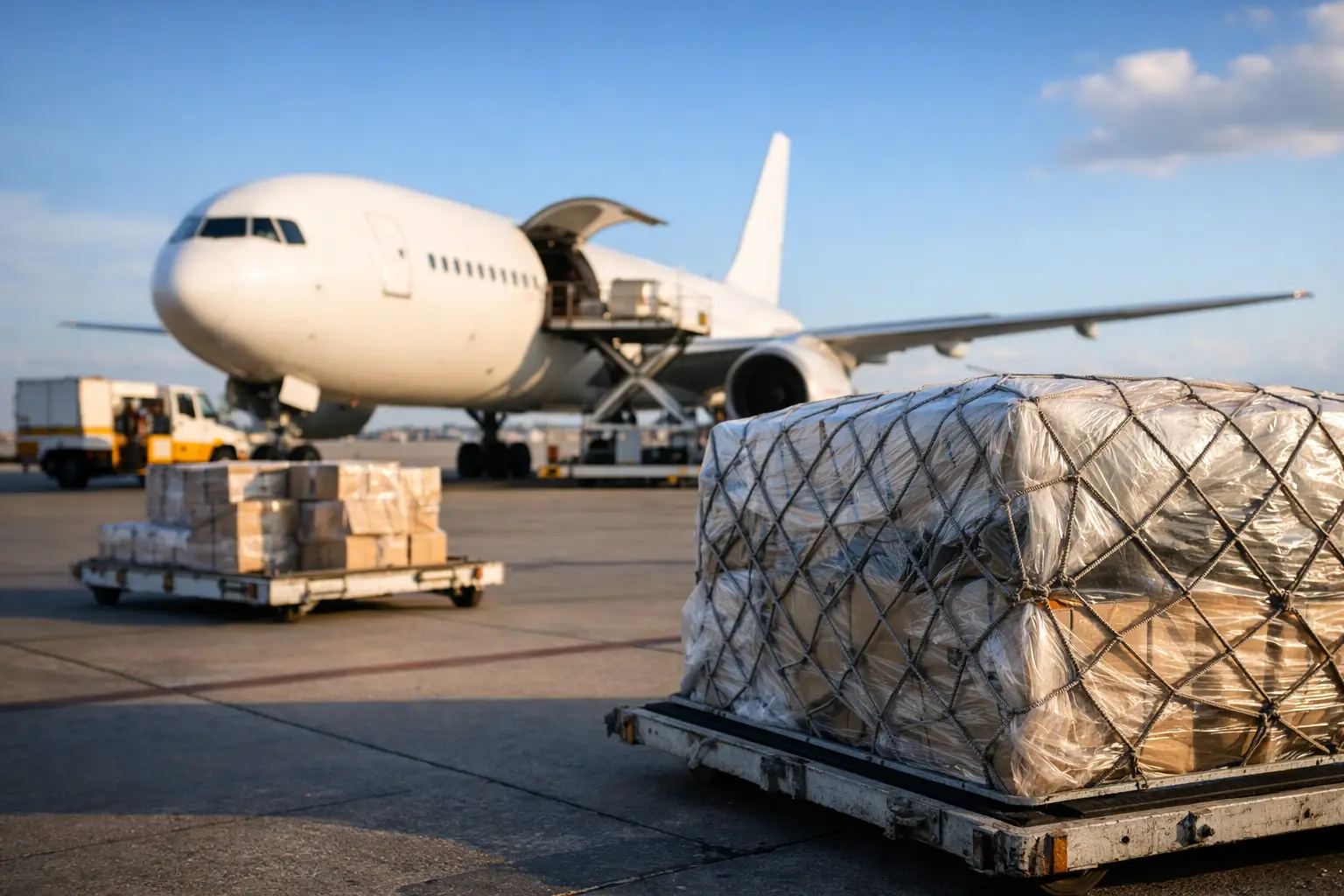
A delayed shipment can disrupt production schedules, miss retail launch dates, or leave customers waiting on critical stock. That is why many importers, exporters, and supply chain teams ask the same question: what is air freight shipping, and when does it make commercial sense to use it?
Air freight shipping is the movement of goods by aircraft from one airport to another as part of an international or domestic supply chain. In business terms, it is the freight mode used when speed, tighter transit control, and time-sensitive delivery matter more than the lower cost of ocean transport. It is commonly used for urgent replenishment, high-value cargo, perishable products, electronics, medical goods, and shipments tied to strict delivery deadlines.
For companies moving cargo across borders, air freight is not just about flying goods from origin to destination. It also involves booking capacity, preparing shipping documents, handling customs clearance, coordinating airport transfers, and managing final delivery. The aircraft movement is only one part of the process. The real value comes from how well the entire shipment is coordinated from pickup through arrival.
What is air freight shipping used for?
Air freight is used when delay carries a higher cost than transport itself. A manufacturer may need parts to avoid a production stoppage. A distributor may need to replenish fast-moving stock before a sales window closes. An e-commerce business may need to fulfill international orders within a promised delivery timeframe.
This mode is also common for goods that are compact but valuable, where the cargo value justifies a higher shipping rate. Pharmaceuticals, semiconductors, telecommunications equipment, luxury goods, spare parts, and sensitive commercial samples often move by air for that reason.
That said, air freight is not automatically the best choice for every urgent shipment. Weight, dimensions, commodity type, destination, airline capacity, and customs requirements all affect whether it is practical. In some cases, express courier services are better for small parcels. In others, sea freight is more economical if lead times are flexible.
How air freight shipping works
At a high level, the process starts when a shipper confirms cargo details such as weight, dimensions, packaging, commodity type, and destination. Based on that information, the shipment is booked with an airline or through a freight forwarder that secures space on the most suitable routing.
Once the booking is confirmed, the cargo is collected or delivered to a handling point, then prepared for export. This includes labeling, documentation, security screening, and customs procedures where required. The cargo is then moved to the airport, loaded onto the booked flight, and flown to the destination country.
After arrival, the shipment goes through import handling and customs clearance before release for final delivery. For business shippers, the key point is that air freight is a managed chain of events, not a single transport action. Timing at each stage matters. A missed document, incorrect declaration, or late cargo handover can affect the entire schedule.
The main types of air freight services
There are several service levels within air freight, and the right one depends on urgency, budget, and cargo profile.
Standard air freight is typically used for commercial cargo that needs faster transit than sea freight but does not require the fastest available flight option. It balances cost and speed and is often suitable for recurring B2B shipments.
Express air freight is designed for highly urgent cargo. It prioritizes shorter transit times and tighter handling windows, though rates are usually higher. This is often chosen for critical parts, deadline-driven stock movement, or high-priority customer orders.
Consolidated air freight combines cargo from multiple shippers into one shipment to optimize space and reduce cost. It can be a practical option for businesses that want air transport without paying for a more premium service level, although schedules may be less flexible than direct priority bookings.
Charter services are used when cargo is oversized, highly sensitive, or urgent enough to justify dedicated aircraft capacity. This is a specialized solution and generally used for exceptional cases rather than routine shipping.
Air freight vs sea freight
For most businesses, the real decision is not whether air freight exists, but whether it is the right mode compared with sea freight.
Air freight is faster, often significantly so. It can reduce transit from weeks to days, which helps businesses respond to demand changes, reduce stockouts, and shorten replenishment cycles. It also tends to offer more predictable transit for certain lanes, especially when inventory timing is critical.
Sea freight is usually more cost-effective for large, heavy, or non-urgent cargo. If the shipment can tolerate longer lead times, ocean transport often delivers better landed cost efficiency. This is especially true for bulk goods, lower-margin products, and planned inventory movements.
The trade-off is straightforward. Air freight helps protect speed and business continuity, while sea freight helps control transport spend. Many companies use both. They may move core inventory by sea and rely on air freight for urgent replenishment, product launches, or exception management.
What affects air freight cost?
Air freight pricing is shaped by more than distance. Chargeable weight is one of the biggest factors. Airlines usually calculate freight cost based on either gross weight or volumetric weight, whichever is higher. That means lightweight but bulky cargo can cost more than expected.
Rates also depend on route demand, available airline capacity, fuel conditions, cargo type, and seasonality. Peak periods can tighten capacity quickly, especially before major holidays or during supply chain disruptions. Direct flights may cost more than transshipment options, but they can reduce handling and shorten transit time.
Other costs may include airport handling, documentation, customs clearance, security screening, pickup, delivery, and duties or taxes at destination. For that reason, businesses should assess total shipment cost, not only the quoted air rate.
Advantages of air freight shipping
The main advantage is speed, but speed is only part of the commercial value. Faster transport can support leaner inventory strategies, reduce buffer stock, and improve responsiveness to customer demand. For some businesses, that can offset higher freight costs.
Air freight also supports tighter planning for urgent cargo. When handled well, it gives companies a dependable option for shipments that cannot wait for ocean schedules. This matters in industries where downtime, missed deadlines, or spoiled inventory carry meaningful financial consequences.
Another benefit is suitability for high-value or sensitive cargo. Shorter transit can reduce exposure to certain handling and storage risks, though packaging and compliance still matter. For many commercial shippers, air freight is less about convenience and more about control over business-critical movement.
Limitations and trade-offs
Air freight is premium transport, so cost is the most obvious limitation. It is rarely the best option for heavy, low-value goods unless the business impact of delay is unusually high.
There are also commodity restrictions. Dangerous goods, oversized cargo, and certain regulated items may face tighter airline acceptance rules or require specialized handling. Even standard commercial products can be delayed if paperwork is incomplete or packaging does not meet requirements.
Capacity is another variable. Flights can fill quickly, especially on high-demand trade lanes. Weather, airline schedule changes, and airport congestion can also affect movement. Air freight is fast, but it is not immune to disruption. That is why execution and contingency planning matter.
Choosing the right air freight partner
Businesses usually benefit from working with a freight partner that can assess urgency, routing, customs requirements, and cost exposure before cargo moves. The goal is not simply to book space on a flight. The goal is to match the shipment to the right service level and manage the operational details that keep transit on track.
For SMEs and corporate shippers, that often means looking beyond price alone. Service reliability, documentation accuracy, cross-border coordination, shipment visibility, and the ability to support multiple freight modes all affect performance. A provider that only solves the airport segment may leave gaps elsewhere in the chain.
This is especially relevant for companies shipping from Malaysia into regional and global markets. Air freight decisions are often tied to broader supply chain planning, not one-off transport bookings. A partner such as Cargovia can add value when the requirement is not just fast transport, but coordinated international freight execution that aligns with business timelines.
What is air freight shipping really about?
At its core, air freight shipping is a business tool for moving goods quickly and with purpose. It is most effective when used selectively – for urgent timelines, high-value cargo, and situations where delay creates a larger operational or financial problem than the freight cost itself.
For decision-makers, the best approach is rarely to ask whether air freight is expensive or fast in general terms. The better question is whether it protects revenue, customer commitments, production continuity, or inventory performance in a specific situation. When the answer is yes, air freight becomes less of a premium option and more of a practical commercial decision.
If your shipments move on deadlines rather than estimates, choosing the right freight mode is not just a logistics detail. It is part of how your business stays responsive, credible, and ready to deliver.