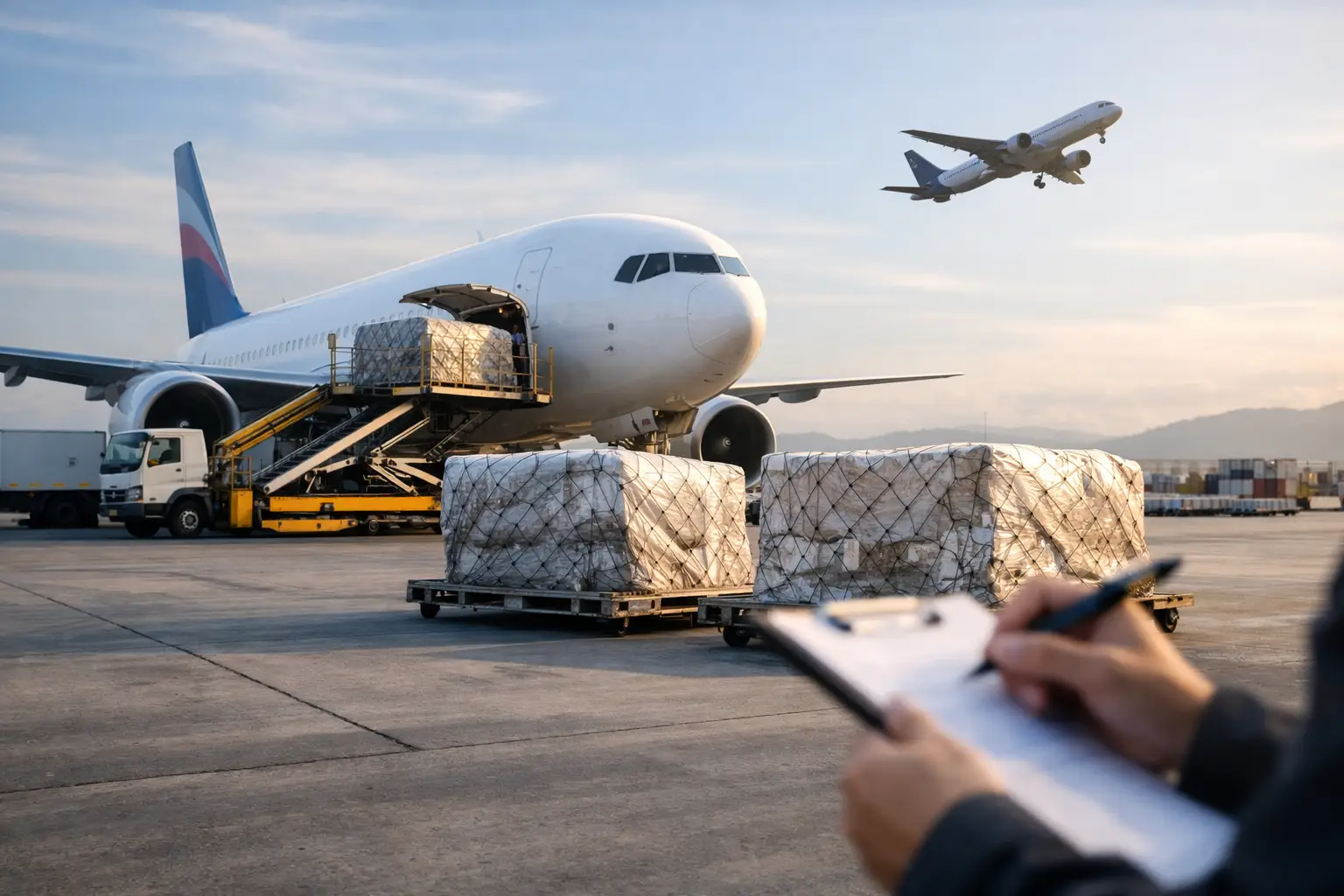
A delayed shipment can disrupt production schedules, miss retail launch dates, or leave customers waiting on critical inventory. That is why air freight services Malaysia remain a priority for businesses that need speed, predictability, and tighter control over international cargo movement.
For importers, exporters, manufacturers, distributors, and growing e-commerce brands, air freight is rarely just about getting goods on the next flight. It is about protecting margins, meeting commitments, and keeping supply chains moving when timing matters more than absolute freight cost. In practice, the right air freight strategy depends on cargo type, destination, urgency, customs requirements, and how well your logistics partner can coordinate the full movement from origin to final delivery.
Why businesses choose air freight services Malaysia
Malaysia is a strong regional shipping base for companies serving Asia-Pacific, the Middle East, Europe, and North America. With established airport infrastructure, active trade lanes, and broad international airline connectivity, it supports businesses that need reliable outbound and inbound cargo options.
Air freight becomes the preferred mode when the cost of waiting is higher than the cost of transport. That usually applies to urgent replenishment orders, product samples, time-sensitive components, electronics, medical-related goods, high-value cargo, and shipments tied to contract deadlines. If a delayed ocean shipment could stop production or create stockouts, air freight often makes commercial sense even at a premium rate.
That said, speed is only part of the decision. Businesses also use air freight for better schedule frequency, shorter transit windows, and lower inventory exposure. When cargo moves faster, companies can reduce safety stock, respond to demand changes sooner, and improve order fulfillment performance.
What air freight services in Malaysia should include
Not all providers offer the same level of control. Some arrange airport-to-airport transport only. Others manage the shipment more completely, including pickup, export handling, airline booking, customs coordination, arrival clearance, and final delivery.
For business shippers, the value is in end-to-end execution. A premium service should cover booking management, cargo consolidation when appropriate, export documentation, customs support, shipment tracking, and coordination across multiple parties. This matters because most delays do not happen in the air. They happen before uplift, during documentation review, at customs checkpoints, or after arrival when local delivery is not aligned.
A dependable freight partner should also help assess whether standard air freight, express service, or a combined air and ground solution is the best fit. A shipment that is urgent but not mission-critical may not require the highest-cost option. On the other hand, goods tied to plant operations or customer penalties may justify a more direct routing and tighter handling control.
Air freight services Malaysia for different shipment needs
The practical use of air freight varies by industry. Manufacturers often rely on it for replacement parts, production inputs, and emergency restocking. Trading companies use it to move samples, high-value inventory, or short-lead-time purchase orders. E-commerce businesses may use air freight to support international fulfillment windows, especially when customer expectations are fixed and delays create refund risk.
Corporate procurement and logistics teams usually focus on reliability first. They need a provider that can give clear transit expectations, flag documentation issues early, and coordinate around shipment deadlines without constant follow-up. SMEs often need the same service quality, but with more guidance on routing choices, cost trade-offs, and shipment preparation.
This is where experience matters. Cargo dimensions, commodity type, packaging standards, destination rules, and airline capacity all affect how smoothly a shipment moves. A provider that understands those variables can prevent avoidable delays before cargo even reaches the airport.
Cost, speed, and control – the real trade-offs
Air freight is fast, but it is not always simple. The main trade-off is cost. Compared with sea cargo, air freight rates are higher, especially for dense or oversized shipments. Fuel conditions, peak season demand, security requirements, and limited capacity can also affect pricing.
Still, the cheaper option is not always the lower-cost decision. If a delayed shipment leads to production downtime, missed sales, chargebacks, or expedited downstream recovery, the total business impact can exceed the freight savings. That is why experienced shippers evaluate air freight against commercial risk, not only transport spend.
Control is the second trade-off. Faster transport does not guarantee fewer problems if paperwork is incomplete or if cargo handling is not well coordinated. Businesses should look beyond quoted transit time and ask how the provider manages booking changes, flight rollovers, customs exceptions, and last-mile delivery planning.
There is also the question of shipment volume. For small, urgent consignments, air freight is often straightforward. For larger or recurring cargo flows, the decision may be more nuanced. Some businesses benefit from using air freight selectively for urgent SKUs while moving base inventory by sea. That kind of mode planning creates a better balance between service level and landed cost.
How to evaluate air freight services Malaysia
A serious freight provider should be able to explain more than rates. The stronger question is how they manage execution. Can they advise on routing options based on urgency and budget? Do they handle both export and import coordination? Can they support recurring business shipments rather than one-off bookings only?
Service consistency matters as much as network reach. Businesses should assess response time, operational visibility, documentation support, and the provider’s ability to coordinate across borders. A missed update or an unresolved customs issue can create as much disruption as a delayed flight.
It is also worth looking at flexibility across transport modes. Companies rarely need only one shipping solution forever. Some periods call for air freight. Others require sea cargo or express delivery. Working with a logistics partner that can support multiple modes creates better continuity when demand patterns shift or shipment priorities change.
For many businesses, that flexibility is where premium service proves its value. A provider like Cargovia supports commercial shippers that need reliable international movement from Malaysia with the option to align speed, cost, and shipment type under one logistics partner.
Common challenges in air freight and how good coordination reduces risk
The most common air freight issues are not unusual events. They are everyday operational gaps that were not addressed early enough. Documentation errors, incorrect cargo details, restricted commodity handling, poor packing, and late delivery to the airport can all push a shipment off plan.
Capacity constraints are another factor. During peak periods, space can tighten quickly, especially on high-demand trade lanes. Businesses with recurring shipment needs benefit from earlier planning and a provider that can secure suitable options before schedules become limited.
Customs is another area where details matter. Even when flights operate on time, clearance delays can slow final delivery if declarations, invoices, or commodity descriptions are incomplete. Strong pre-shipment checks reduce that risk significantly.
This is why businesses should treat air freight as a coordinated process rather than a simple booking task. The provider’s role is not just to move cargo. It is to anticipate pressure points, manage handoffs, and keep the shipment aligned from collection through delivery.
When air freight is the right choice
Air freight is usually the right decision when the shipment is urgent, high value, operationally critical, or commercially sensitive. It is also the right choice when product life cycles are short, customer deadlines are firm, or inventory shortages would create larger business losses.
It may be less suitable for bulky, low-value cargo with flexible timing. In those cases, sea freight often provides better cost efficiency. Some businesses also use a mixed model, reserving air freight for launch stock, urgent replenishment, or exception management while planning regular volume on slower modes.
The right answer depends on your cargo profile and supply chain priorities. What matters is having a logistics partner that can assess the requirement clearly and recommend the right movement, not simply the fastest one.
Air freight works best when it supports a business outcome, not just a shipping deadline. If your cargo needs to move fast, arrive reliably, and stay under close operational control, the value of a well-managed air freight service is measured long after the flight lands.